Key Benefits of Engaging Expert Translators for Your Projects
Within today's worldwide marketplace, strong communication is critical. Employing professional translators can significantly influence how brands deliver their messaging across different cultural and language backgrounds. These professionals grasp the subtleties of communication, confirming that delicate meanings are retained. This commitment to accuracy not only improves brand reputation but also builds credibility with target markets. Nevertheless, the implications of this choice go further than mere accuracy and may reveal deeper benefits worth considering.
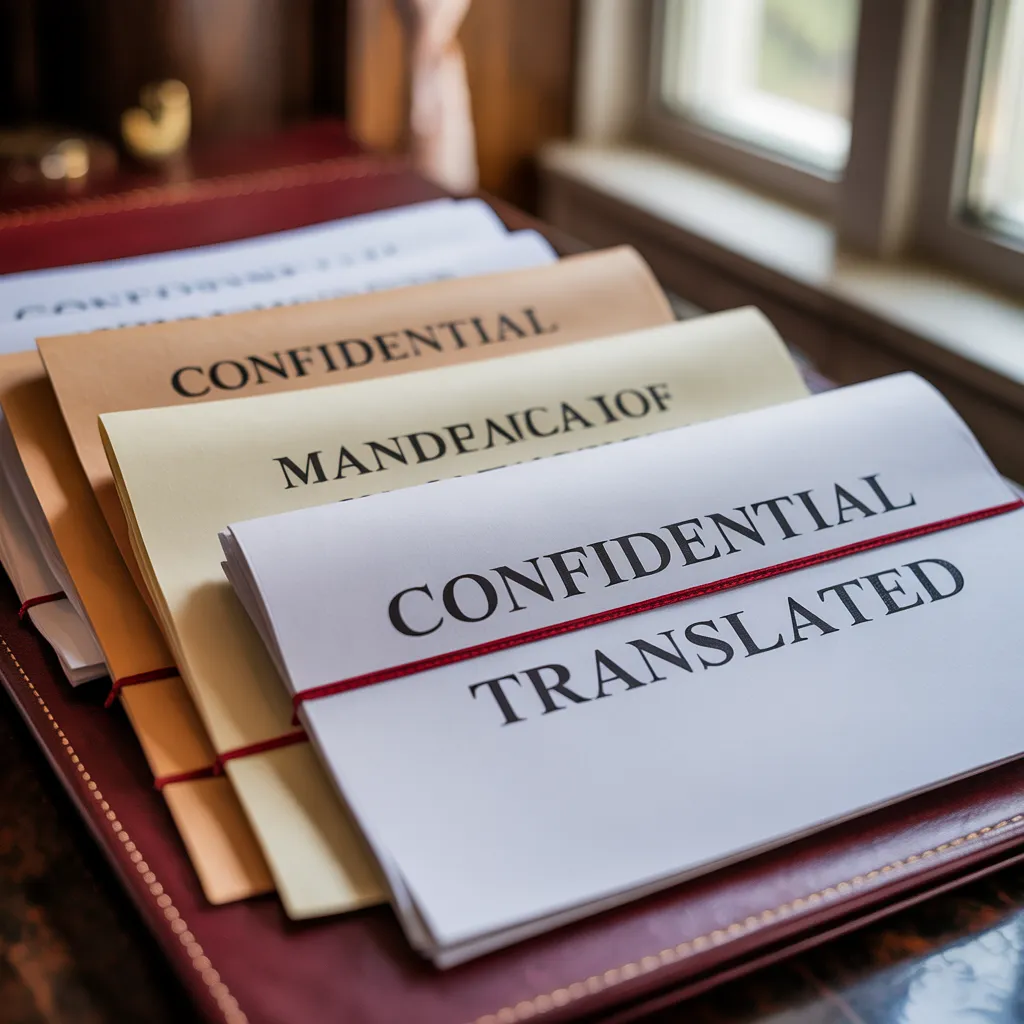
The Importance of Having Professional Translators for Your Brand
When companies expand into international markets, they commonly misjudge the critical value of expert translators. These professionals perform a critical function in ensuring that a brand's message communicates powerfully across diverse languages and cultures. Inaccuracies or mistakes in translation can result in substantial misunderstandings, undermining a brand's reputation and potentially leading to financial loss. Expert translators command not only linguistic skills but also a deep understanding of the industry and target audience, which is essential for delivering the intended tone and context. They assist in preserving brand consistency and integrity, securing that marketing materials, legal documents, and product information are correctly portrayed. Additionally, expert translators can tailor content to local preferences, making it more relevant and interesting. As companies aim to build a strong global presence, committing to expert translation services becomes essential for seamless communication and brand recognition in foreign markets.
How Cultural Differences Shape Translation Quality
Cultural nuances greatly impact translation quality, as they shape how messages are comprehended across different societies. Expert translators understand that language is not merely a collection of copyright; it is infused with cultural significance. For instance, idiomatic expressions or humor can lose their intended meaning if translated literally. Additionally, cultural references may not resonate with the target audience, leading to incorrect interpretations.
Understanding societal standards, beliefs, and restrictions is essential for delivering the correct message. For instance, a phrase that is acceptable in one culture may be disrespectful in another. Expert translators are trained to manage these complexities, making certain that the essence of the original text is preserved while adapting it for the target audience. This cultural understanding enhances the translation's effectiveness, eventually fostering better dialogue and connection between varied groups. In this way, cultural nuances are not just difficulties but possibilities for enriched understanding in translation quality.
The Value of Industry-Focused Translators
With the increasing globalization of industries, the requirement for industry-specific translators has become more essential than ever. These professionals have not only linguistic capabilities but also a thorough understanding of the terminologies, practices, and regulations unique to their respective fields. This expertise empowers them to communicate messages correctly, avoiding potential misunderstandings that could emerge from general translations.
Within sectors such as legal, medical, or technical, the precision of language is critical, as even minor errors can cause major implications. Field-specific translation experts are trained to work through complex documents, ensuring that terminology is standardized and culturally fitting for the target audience.

In addition, they are knowledgeable about industry standards and compliance requirements, which can vary greatly between regions. By hiring these specialists, businesses can boost communication, build trust, and confirm that their messages resonate powerfully within their desired markets, ultimately contributing to more successful project outcomes.
How Professional Translators Enhance Your Content Quality
Leveraging professional translators can significantly enhance the quality of content, confirming that messages are not only faithfully conveyed but also resonate with the target audience. These practitioners possess a deep understanding of linguistic nuances, cultural references, and idiomatic expressions, which are critical for effective communication. By tailoring the content to fit local customs and preferences, professional translators enhance relatability and engagement.
Furthermore, they maintain the original tone and style, maintaining the brand's voice across diverse languages. This consistency is important for building trust and credibility with varied audiences.
Furthermore, experienced translators are adept at recognizing and correcting potential errors or ambiguities that could lead to misunderstandings. Their knowledge ensures that the final product is well-crafted and professional, creating a high standard for quality. Overall, working with professional translators remarkably enhances content quality, encouraging more effective communication and a stronger connection with the desired audience.
How Engaging Expert Translators Saves You Money Long-Term
Employing professional translators can result in substantial financial benefits over time, mainly by minimizing the risk of costly mistakes. Inaccuracies in translation can lead to miscommunication, legal issues, and damage to a company's reputation, all of which incur significant expenses. By utilizing skilled professionals, businesses ensure that their messages are accurately conveyed, reducing the likelihood of these pitfalls.
Moreover, experienced translators typically have industry-specific experience, enabling them to develop content that resonates with the target audience. This cross-cultural and contextual awareness can boost marketing impact, generating increased sales and customer loyalty.
Moreover, professional translators commonly work productively, meeting deadlines and therefore reducing project turnaround times. This efficiency helps companies to leverage market opportunities more quickly, providing a competitive advantage. All things considered, investing in specialized translation services is a strategic decision that can produce long-term financial advantages, positioning organizations for success in the global marketplace.
Common Questions
How Should I Pick the Right Translator for My Project?
To pick the right translator for a project, related article one should consider linguistic expertise, domain expertise, experience, and references. Evaluating past work and conducting interviews can also help guarantee the translator meets particular project needs.
What Credentials Should I Look for When Choosing a Translator?
When choosing a translator, it's important to prioritize relevant language proficiency, expert subject knowledge, formal qualifications, and experience. Moreover, cultural awareness and knowledge of translation tools can further enhance the quality of the translated content.
Are Professional Translators Capable of Helping With Legal Documents?
Skilled translators are capable of assisting with legal documents, maintaining precise language and conformity to legal terminology. Their skill diminishes the likelihood of miscommunication, which is necessary in legal situations where precision and clarity are of utmost importance.
How Long Will the Translation Process Generally Take?
The translation procedure generally requires anywhere from a couple of days to multiple weeks, according to the length, complexity, and subject of the document. Experienced translators usually give precise timeframes influenced by their workload and expertise.
What Are the Most Common Errors in DIY Translations?
Standard mistakes in DIY translations include direct translations, disregarding cultural nuances, irregular terminology, failure to proofread, and neglecting context. These mistakes can produce miscommunication and adversely affect the intended message's effectiveness and precision.